CLAW: From Brainstorming to a Compliant Design
Why last year's claw couldn't hold on, the ideas we considered (TPU bristles, a worm gear), and how we landed on a hybrid PLA + TPU compliant claw with a double-joint linkage.
The Problem
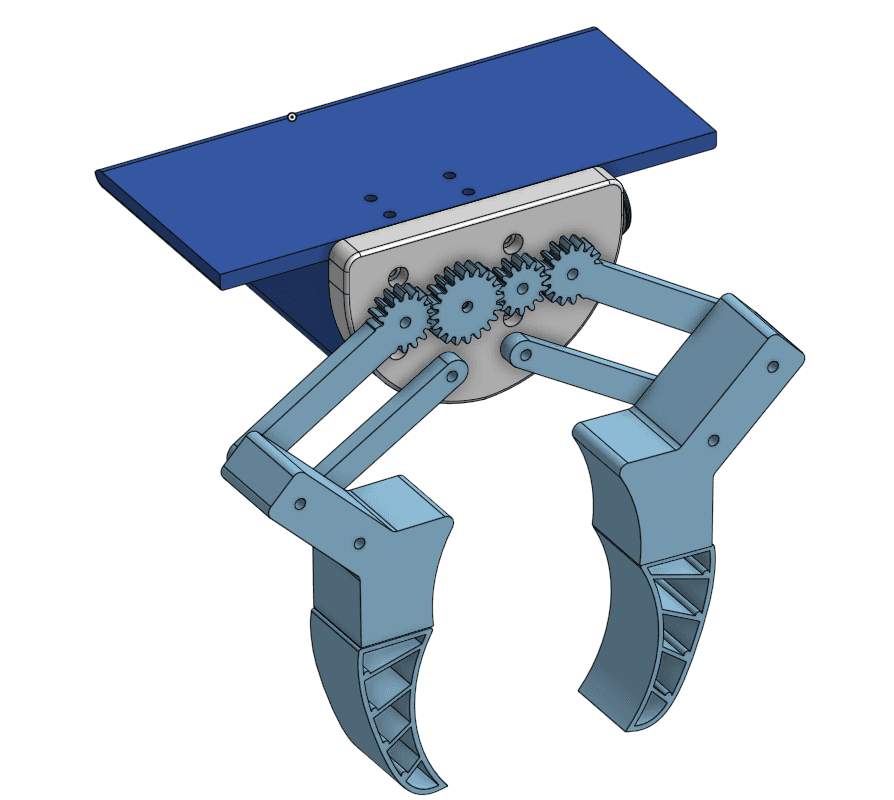
Our 2025 claw used a series gear system at a 1:1 ratio, and it did not reliably transfer enough torque to grip objects. We tried cutting an arc-shaped space in the middle of the claw with interlocking teeth on the bottom, but that only reduced surface contact without fixing the grip.
Ideas We Considered
- TPU bristles. Flexible, rubber-like bristles would fully conform around an object. In practice they are hard to print successfully and waste a lot of TPU as support material.
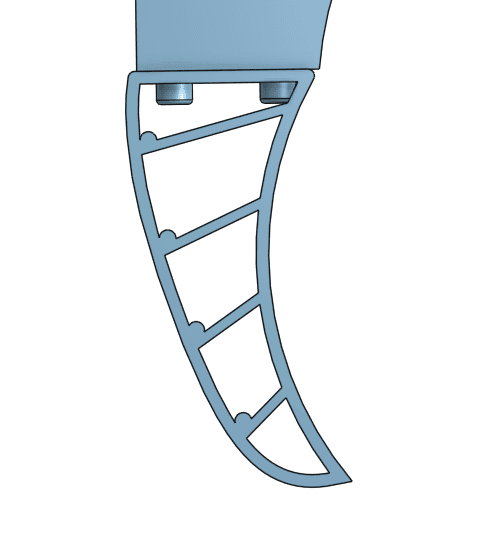
- Compliant fingers. A compliant TPU attachment on a rigid PLA structure is easier to make and test, which means faster prototyping and simpler assembly.
- Worm gear. Would multiply torque, but it didn't work within the rotational limits of our servo.
Where We Landed
We chose a hybrid compliant claw: PLA for structure and rigidity, TPU for the fingers that touch the object. We kept last year's four-bar "double-joint" linkage so the fingers stay parallel as they close.
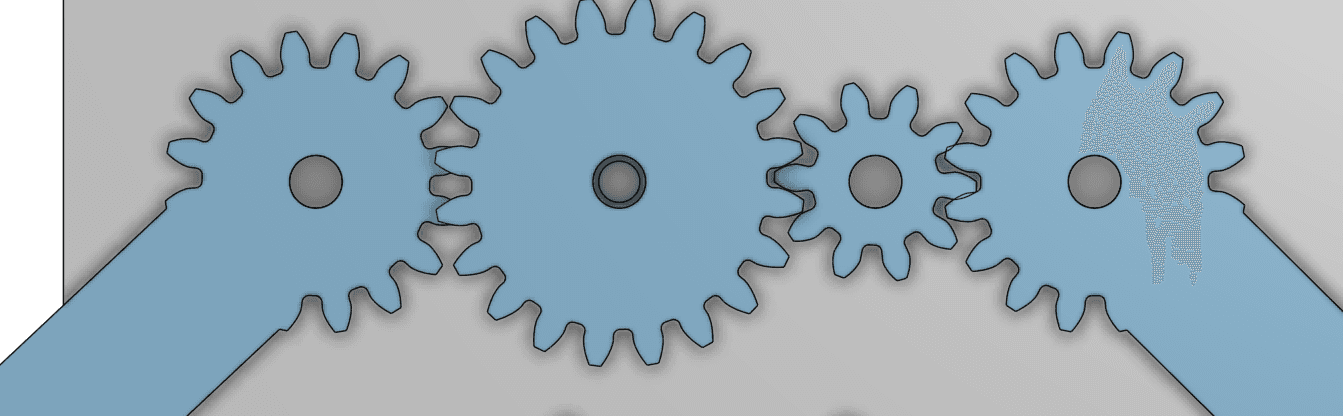
For gearing, we use a four-gear series train with an idler gear so the two arms rotate in opposite directions. The gear plate is fastened to the face of the servo, with a circular cutout so the servo sits flush and countersunk holes so the nuts don't interfere with mounting.
Next Steps
Strength testing (add 1 lb at a time until the claw lets go, on land and underwater) and shape testing (circle, square, hoop, handle, and hexagon).